

Target URL suggestion
https://glorycabins.com/blog/difference-crowded-lakes-calm-lakes
Meta description
Why calm lakes create better vacations. Compare crowded Minnesota lakes with peaceful ones like Rush Lake and Big McDonald Lake in Otter Tail County.
The Difference Between Crowded Lakes and Calm Lakes (And Why It Matters)
Summer lake trips are a Minnesota tradition. Families pack coolers, launch boats early in the morning, and spend long days swimming, fishing, and relaxing on the water.
But not all lake vacations feel the same.
On some lakes, summer weekends bring long lines at the boat ramp, constant boat traffic, and crowded public beaches. On other lakes, mornings start with calm water, a quiet shoreline, and the sound of loons echoing across the lake.
The difference between crowded lakes and calm lakes affects much more than noise levels. It shapes the entire vacation experience. Fishing conditions change. Swimming becomes easier and safer. Even simple moments like watching the sunrise from a dock feel different when the lake is still.
One of the reasons travelers choose this part of Minnesota is the number of options available. Otter Tail County contains more than 1,000 lakes, more than any county in the United States, giving visitors a wide range of lake environments to choose from.
https://ottertaillakescountry.com/area-lakes/
Some lakes attract heavy summer traffic, while others remain surprisingly peaceful even during the busy season.
Two lakes that often appeal to travelers looking for a quieter setting are Rush Lake near New York Mills and Big McDonald Lake near Dent. Both offer the kind of calm-water experience many people hope to find when planning a Minnesota cabin getaway.
Understanding what separates crowded lakes from calmer ones can help you choose the right destination for your next trip.
What Defines a Crowded Lake
Some lakes naturally attract more traffic than others. This often happens because of location, tourism promotion, and the number of public access points available.
A crowded lake usually has several characteristics in common.
First, it often has multiple public boat launches that make access easy for large numbers of visitors. When a lake has several well-known access points, boat traffic can increase significantly during peak summer weekends.
Second, crowded lakes tend to have larger resorts and marinas. These businesses provide great amenities for visitors, but they also bring more boats, personal watercraft, and shoreline activity.
Third, tourism promotion plays a role. Certain lakes appear frequently in travel guides and regional tourism websites, which naturally draws larger crowds during summer.
Two examples in Otter Tail County are Otter Tail Lake and Pelican Lake. Both lakes are widely promoted as recreation destinations and are among the best-known lakes in the region.
You can see many of these lakes listed through the Otter Tail Lakes Country Association’s lake directory.
https://ottertaillakescountry.com/area-lakes/
Busy lakes are not necessarily a bad thing. Many visitors enjoy the energy of an active lake with restaurants, events, and frequent boat activity.
However, heavy traffic can change the experience in several ways.
Boat ramps may have lines during peak hours. Jet skis and wake boats can create constant wave action near shorelines. Fishing spots may become harder to access when multiple boats are working the same areas.
For travelers looking for relaxation and quiet scenery, a calmer lake environment can feel very different.
What Makes a Lake Truly Calm
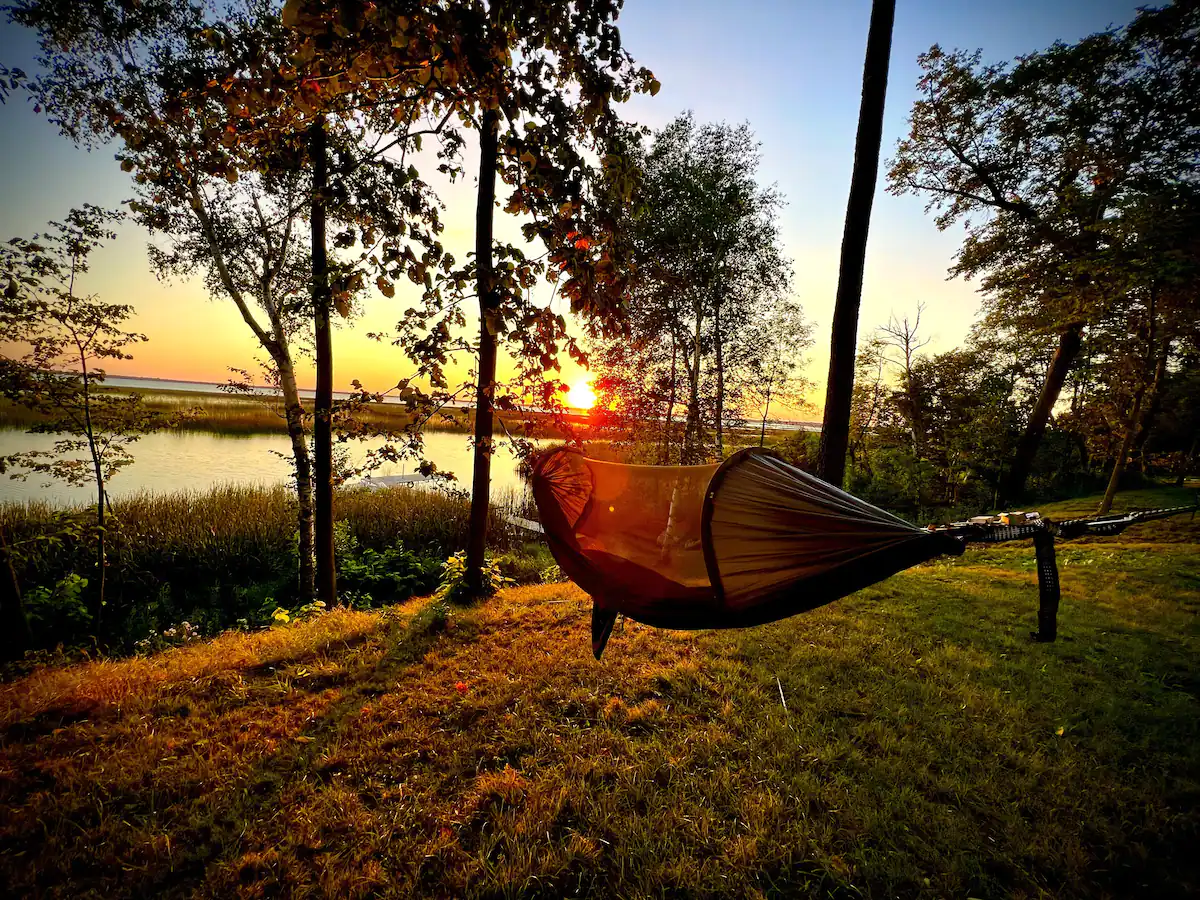
A calm lake is not simply a small lake. Several factors influence how peaceful a lake feels during the summer.
One factor is limited public access. Lakes with fewer boat launches tend to experience less overall traffic. Visitors staying at cabins with private docks can enjoy the water without relying on busy public ramps.
Another factor is shoreline development patterns. Lakes with fewer large resorts and marinas often maintain a quieter atmosphere because there are fewer boats entering and leaving the water throughout the day.
Water clarity also plays a role. Lakes with clear water and healthy ecosystems often attract swimmers, kayakers, and anglers who prefer slower-paced recreation rather than high-speed boating.
Two lakes in Otter Tail County that illustrate these characteristics are Rush Lake and Big McDonald Lake.
Rush Lake
Rush Lake is located near New York Mills and covers approximately 5,300 acres. The lake supports a variety of fish species including walleye, northern pike, bass, and panfish.
More information about Rush Lake can be found through the Minnesota DNR Lake Finder.
https://www.dnr.state.mn.us/lakefind/index.html
Additional lake details are available through Lake-Link.
https://www.lake-link.com/minnesota-lakes/otter-tail-county/rush-lake/
Like many lakes in Otter Tail County, Rush Lake offers a mix of recreational boating and fishing while still maintaining quiet stretches of shoreline. Early mornings and evenings are often the calmest times of day, when the lake surface becomes smooth and wildlife activity increases.
Visitors staying at private cabins with dock access can enjoy the water without needing to use public boat launches.
Big McDonald Lake
Big McDonald Lake is another well-known lake in the region. Located near Dent, the lake covers approximately 992 acres and has a maximum depth of about 46 feet.
Lake-Link provides an overview of the lake’s size and depth.
https://www.lake-link.com/minnesota-lakes/otter-tail-county/big-mcdonald-lake/
The lake is widely recognized locally for its clear water and good swimming conditions. Some resort and tourism pages also note the lake’s clarity and sand-bottom areas.
https://eastsilentresort.com/big-mcdonald-lake/
Clear water and moderate lake size can contribute to a quieter overall atmosphere compared with heavily trafficked lakes.
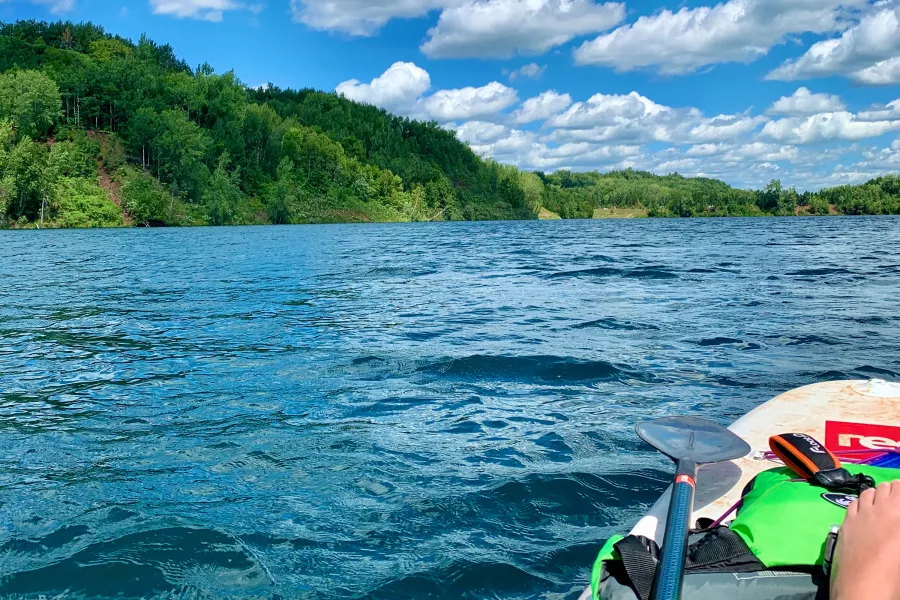
For travelers who want calm mornings, swimming areas, and scenic lake views, these types of lakes often provide a very different experience than larger high-traffic destinations.
Why the Difference Matters for Your Vacation
Choosing between a crowded lake and a calm lake can influence the entire rhythm of a trip.
Many visitors initially focus on amenities, but the environment of the lake itself often becomes the most important factor.
Relaxation and mental reset
Spending time in quiet natural environments has been linked to lower stress levels and improved mood. Research summarized by Harvard Health Publishing notes that time in nature can support mental well-being and help reduce stress.
https://www.health.harvard.edu/mind-and-mood/sour-mood-getting-you-down-get-back-to-nature
When a lake environment is calm, it becomes easier to disconnect from daily routines. Simple activities such as sitting on a dock, kayaking along the shoreline, or watching the sunset can become the most memorable parts of the trip.
Easier fishing conditions
Fishing conditions are often affected by boat traffic. Heavy waves from constant boating can disrupt shallow fishing areas and make certain spots harder to access.
Minnesota’s Department of Natural Resources provides extensive fisheries information and lake data through its fishing resources and Lake Finder tools.
https://www.dnr.state.mn.us/fishing/index.html
Many anglers prefer lakes where early morning or evening fishing can take place without heavy traffic.
Safer swimming for families
Calmer lakes also create safer swimming conditions. Less boat traffic means fewer waves and less shoreline disturbance. Families with children often appreciate being able to swim or paddle near the dock without constant boat wake.
A more relaxed daily pace
The biggest difference many visitors notice is simply the pace of the day. On quieter lakes, mornings often start slowly with coffee on the deck or dock. Afternoons might include a swim or paddle across the lake. Evenings end with sunset views and campfires rather than constant activity.
For travelers seeking a true lake retreat, this slower rhythm is often the main goal of the trip.
Calm Lake Living at Glory Cabins
For visitors planning a stay in Otter Tail County, cabin location can play an important role in the overall experience.
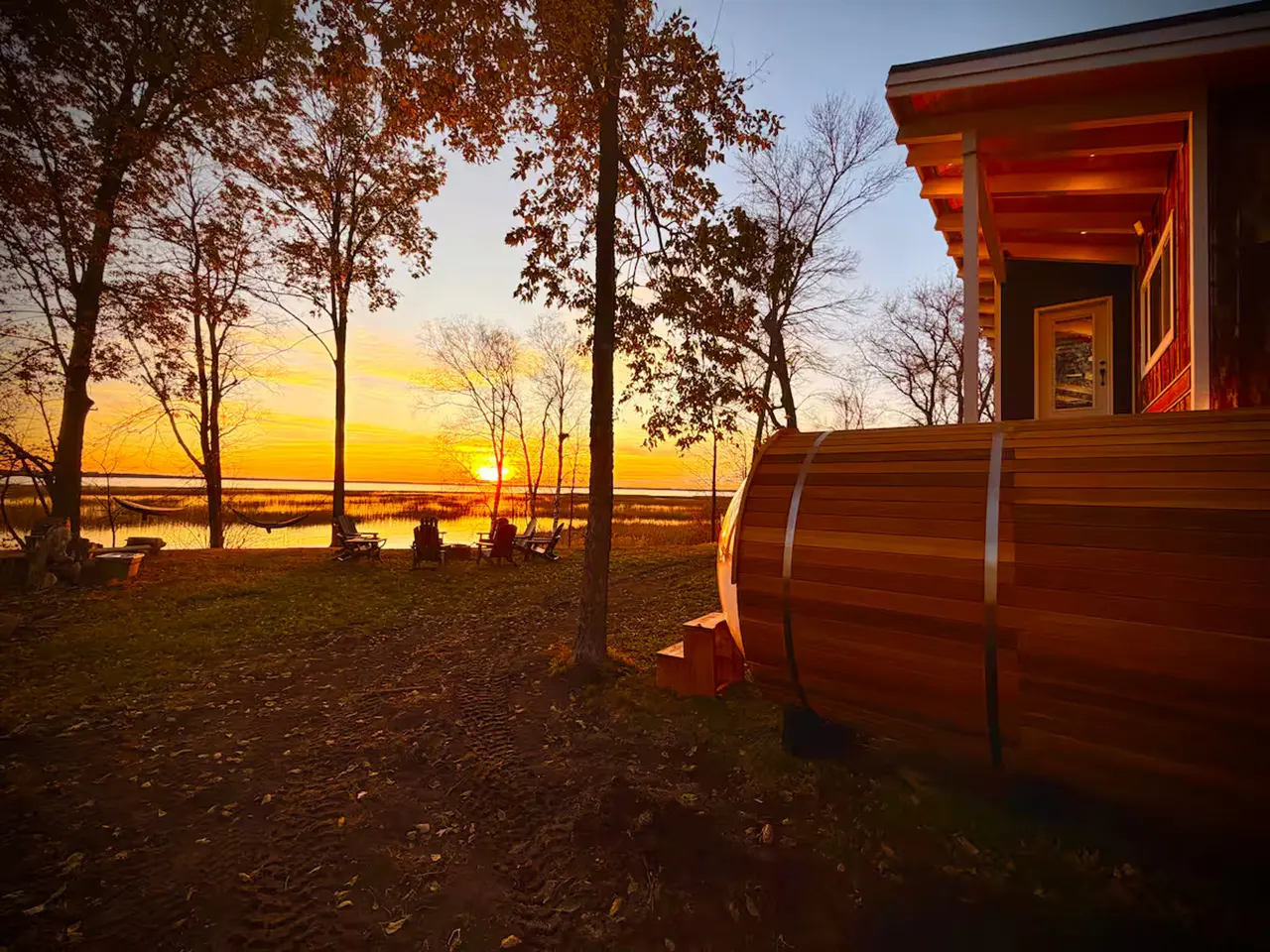
Glory Cabins offers lakefront accommodations on two lakes known for scenic views and quieter surroundings.
The cabin on Rush Lake includes direct lake access, private dock space, and outdoor seating areas that overlook the water. Guests often spend mornings on the deck watching the lake before heading out for swimming, boating, or fishing.
More details about the Rush Lake property can be found here:
https://glorycabins.com/rush-lake-cabin/
A second lakefront cabin is planned for Big McDonald Lake near Dent, with an expected opening in summer 2026. The property is designed to provide direct access to one of the clearer lakes in the region while offering modern cabin amenities and lake views.
Information about the Big McDonald Lake property is available here:
https://glorycabins.com/big-mcdonald-lake-cabin/
Visitors can check current availability for upcoming stays at:
https://glorycabins.com/check-availability/
Both locations are positioned to provide convenient lake access while allowing guests to enjoy the quieter side of Otter Tail County’s lake environment.
How to Choose the Right Calm Lake Stay
Different travelers prioritize different aspects of a lake vacation.
Families often look for lakes with easy swimming access, sand-bottom shorelines, and calm water for paddleboards or kayaks.
Couples or small groups may prefer lakes known for quiet mornings, scenic views, and relaxed evenings by the water.
Timing can also make a difference. Weekdays typically see less boat traffic than weekends, and early summer or early fall can offer especially calm lake conditions across Minnesota.
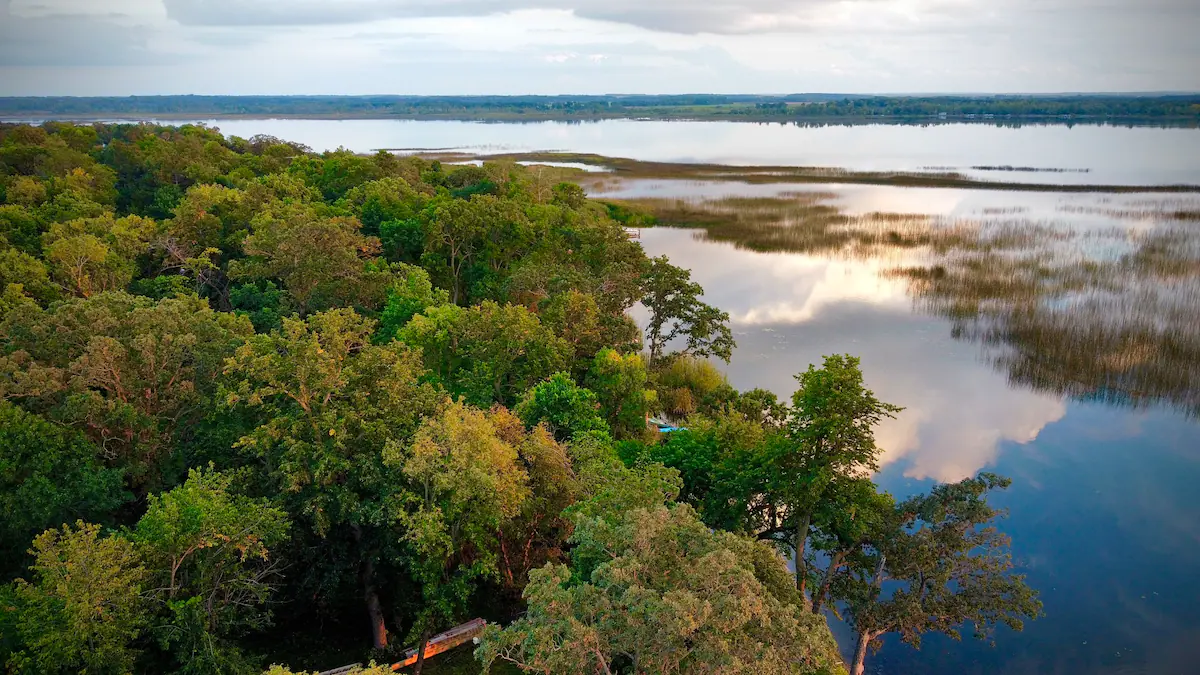
With more than 1,000 lakes in Otter Tail County, visitors have many options for finding a lake environment that fits the type of vacation they want.

Conclusion
Lake vacations are often remembered for small moments rather than big attractions. A quiet sunrise, a calm evening paddle, or a peaceful afternoon swim can define the entire trip.
Crowded lakes provide energy and activity, but calm lakes offer something many travelers are really looking for: space to relax.
Otter Tail County’s large number of lakes gives visitors the ability to choose the kind of experience they want. For those who value peaceful water, scenic views, and a slower pace, lakes like Rush Lake and Big McDonald Lake offer a setting that many travelers return to year after year.
You can explore detailed lake information through the Minnesota DNR Lake Finder.
https://www.dnr.state.mn.us/lakefind/index.html
To plan a lake stay in the area, check availability for Glory Cabins on Rush Lake or learn more about the upcoming Big McDonald Lake cabin.
FAQs
Are there really more than 1,000 lakes in Otter Tail County?
Yes. Otter Tail County contains over 1,000 lakes, which is more than any county in the United States.
Source: https://ottertaillakescountry.com/area-lakes/
What is the difference between a crowded lake and a calm lake?
Crowded lakes usually have multiple public boat launches, larger resorts, and higher weekend boat traffic. Calm lakes often have fewer access points, less development, and quieter shorelines.
Is Rush Lake good for fishing?
Rush Lake supports several popular fish species including walleye, northern pike, bass, and panfish. Lake information and fisheries data can be found through the Minnesota DNR Lake Finder.
https://www.dnr.state.mn.us/lakefind/index.html
How big is Big McDonald Lake?
Big McDonald Lake covers approximately 992 acres and reaches depths of about 46 feet.
Source: https://www.lake-link.com/minnesota-lakes/otter-tail-county/big-mcdonald-lake/
When are Minnesota lakes the least crowded?
Early mornings, weekdays, and shoulder seasons such as late spring and early fall usually have the lowest boat traffic.
Where can I check lake conditions and data in Minnesota?
The Minnesota DNR Lake Finder provides official lake information including water clarity data, fish populations, and lake maps.
https://www.dnr.state.mn.us/lakefind/index.html